The World Has Gone Solar. Is Yours the Last Bare Roof on the Street?
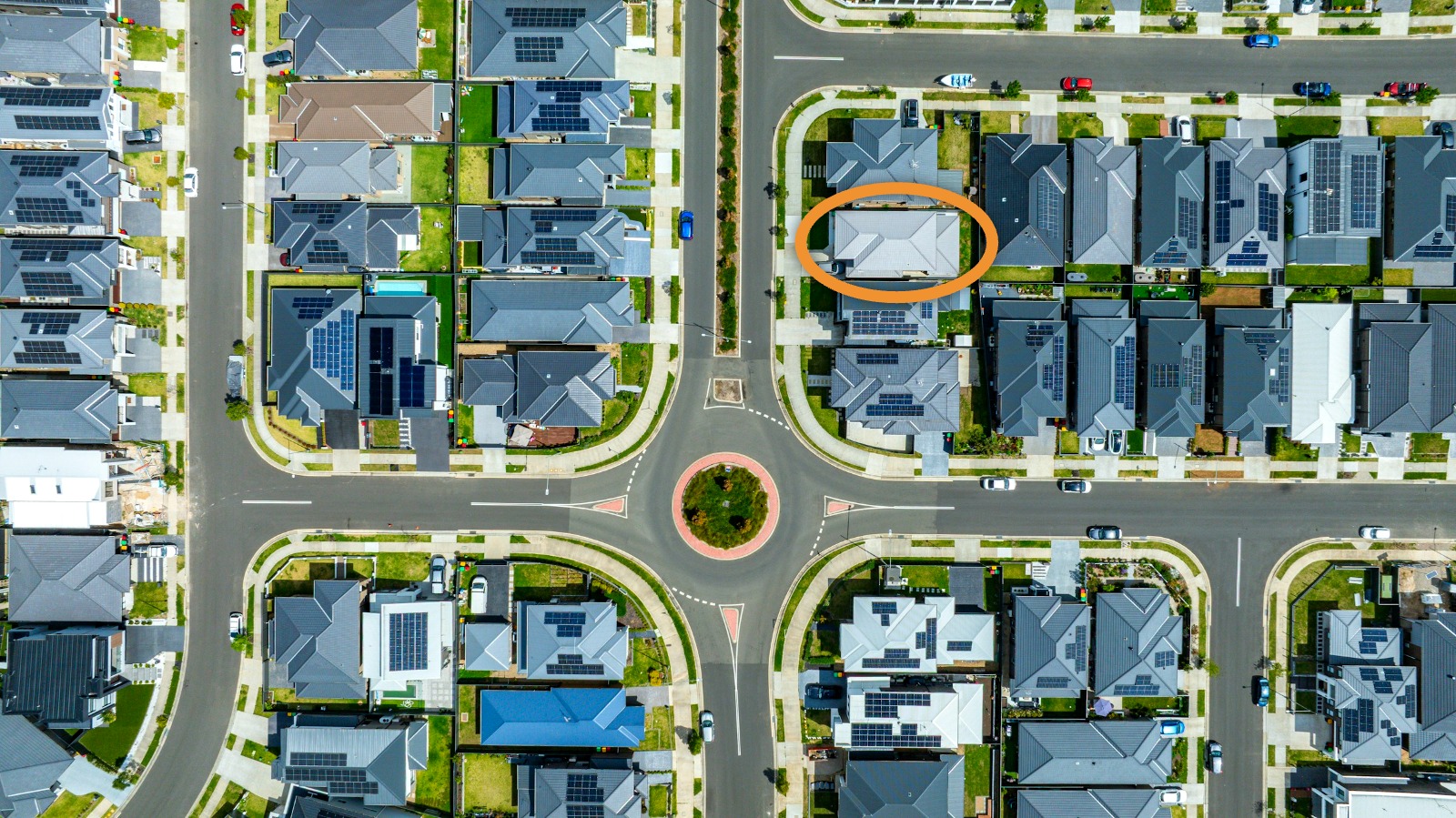
Walk down almost any street in South East Queensland and count the roofs.
One with panels. Another. Another.
Then one without.
That bare roof used to be normal. It is not any more.
Solar is no longer a hobby for early adopters or a statement about being green. All over the world, it is simply what households do when power bills get too high.
The World Is Not Waiting
A recent BBC World Service episode of The Climate Question looked at two countries that tell this story better than any sales brochure.
The Philippines is now the world's number one destination for Chinese-made solar panels. In a single year, Filipinos installed five times more rooftop solar than in the previous ten years combined. Local installers went from around 100 enquiries a month to 1,000 to 2,000.
Pakistan is number two. In just two years, rooftop solar added as much generating capacity as the country's entire fleet of fossil-fuel power plants.
Neither boom was driven by climate campaigns.
It was driven by bills.
It Was Never About Being Green
In Pakistan, electricity prices rose around 150 percent in three years after the energy shock that followed the Russia-Ukraine war. Some families were paying more for power than for rent.
In the Philippines, households spend roughly 12 percent of their monthly income on electricity, now the highest rates in South East Asia.
So people did the maths.
One Filipino homeowner told the BBC his bill went from around 20,000 pesos a month to just 300 pesos.
That is roughly $300 USD a month, down to $5.
Same house. Same family. Same appliances.
As the Manila-based journalist in the episode put it, for most people it was not an eco-conscious decision. It was an economic one.
And They Did It Without Help
Here is the part that stands out.
In Pakistan, only 4 percent of rooftop solar installations were formally financed. Everything else was paid for out of pocket.
No rebates. No government battery program. Just households deciding they could not afford to keep paying the grid.
Australia Went First. Now It Is the Default.
Australia is not behind in this story. We were early.
More than 4.2 million Australian homes and small businesses now have rooftop solar. According to the Clean Energy Council, over a third of Australian households have it installed.
Queensland was the first state to pass one million rooftop solar installations.
And it is still accelerating. The Clean Energy Regulator reported a record 1 GW of rooftop solar installed in the June quarter of 2026, the biggest quarter on record, as households rushed to pair solar with batteries.
In Australia, solar is not the trend any more.
It is the default.
So Who Is Still Paying Full Price?
If one in three homes has solar, roughly two in three still do not.
Those are the bare roofs. Still paying retail rates for every kilowatt-hour. Still exposed to every Default Market Offer increase. Still copping the full evening peak on every bill.
And plenty of homes that do have panels are running old, undersized systems, exporting power for a few cents in the middle of the day and buying it back at many times that price every evening.
Having solar on the street is not the same as being free of the bill.
The Mainstream Has Moved Again: Solar Plus Storage
Here is the next shift.
With feed-in tariffs across South East Queensland down to a few cents per kilowatt-hour, sending your solar back to the grid is barely worth it. The real value is using it yourself, including after the sun goes down.
That is why the record quarter was driven by batteries. Households are no longer just adding panels. They are storing their own power for the evening, when rates are highest.
The world is going solar. Australia is going solar plus battery.
The Advantages That Will Not Last Forever
Filipino and Pakistani families went solar with no support at all. Australian households still have plenty:
- Federal STCs that reduce the upfront cost of solar, stepping down every year until the scheme ends in 2030
- The federal Cheaper Home Batteries Program, which has already changed once on 1 May
- World-class sunshine across South East Queensland, the Hunter and Central Coast, and Perth
- A mature, regulated installer industry with licensed electricians and Australian Standards
Every one of those advantages is either shrinking or has an end date.
So What Are We Doing?
Families in Manila and Karachi went solar with their own savings, no rebates, and installers who could not keep up with demand.
We have the sunshine, the incentives and the industry, all ready to go.
So if your roof is still bare, or your old system is still exporting for 3 cents, the honest question is simple.
What are we waiting for?
A properly engineered solar and battery system, sized to how your household actually uses power, is how you stop paying full price while the rest of the street already has.
The world has made its decision.
Has your roof?
Sources: The Philippines and Pakistan: Solar power leaders, BBC World Service, The Climate Question. Australian figures from the Clean Energy Council and the Clean Energy Regulator.
See What Solar Could Do for Your Home
Every property is different. Roof angle, shading, household size and energy usage all affect the outcome.
We start with a free energy assessment — not a sales pitch. We look at your situation and show you what the numbers actually look like.
No obligation. No pressure. Just the facts for your home.